September Blog - nursing uniforms
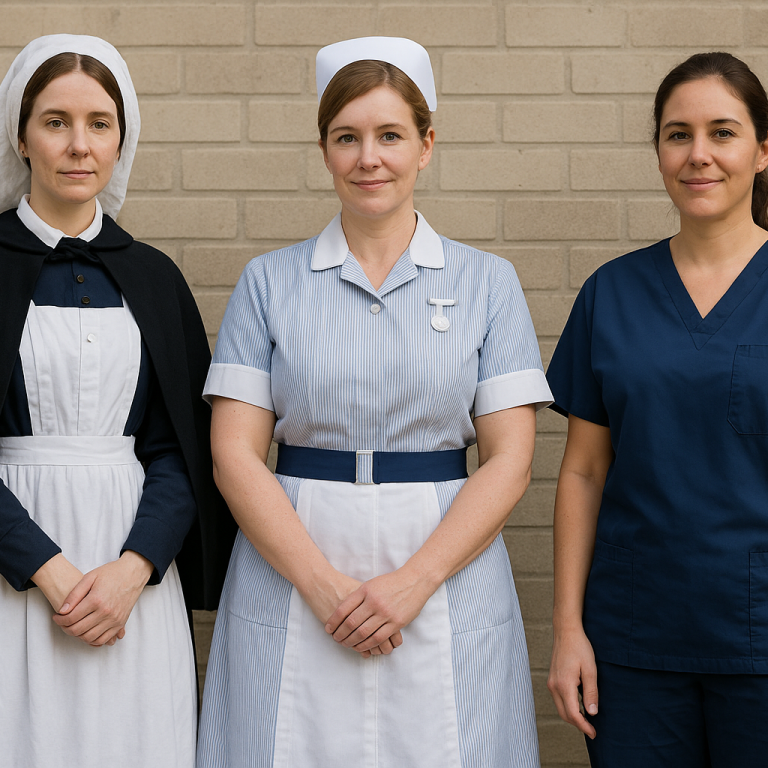
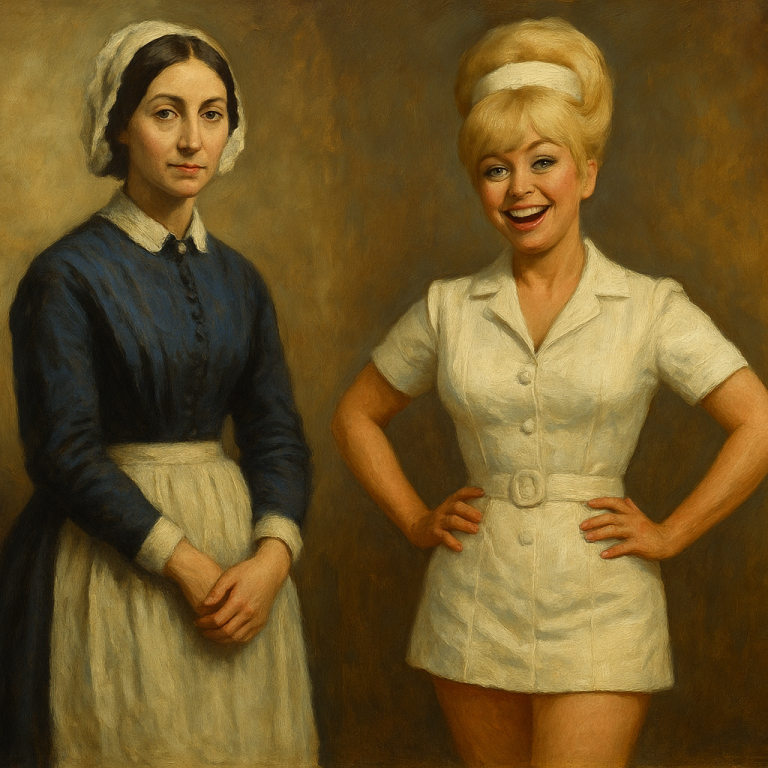
From Florence Nightingale’s
modest dress to Barbara Windsor’s cheeky mini, nursing uniforms have swung from
practical to
peculiar and back again.
Do Nursing Uniforms Really Matter?
A light-hearted conversation in the office about the new NHS nursing uniforms soon turned into one of those debates that everyone has an opinion on. Someone mentioned the senior nurse who ignores the baggy scrub trousers and wears slim-fit ones that look more like leggings. Another brought up the nurse who always wears bright trainers instead of the official black. And then there was the colleague who came back from holiday with nail extensions still on.
💉
The truth is, it does not really bother me. I have seen doctors in ripped jeans and T-shirts, going straight from ward rounds to the supermarket, no one questions them. So why should it matter if a nurse swaps black trainers for blue, as long as the uniform is clean and practical? For me, comfort and function will always win.
That said, I have made choices based on uniforms myself. When I first qualified, I actually turned down a job because the required uniform was still a dress and belt. I though this had gone out of fashion years before I qualified, but to my surprise they were still in use and mandatory at the first hospital to offer me a job.
💉
As a student I had already endured three years in thick blue dresses that felt more suited to an Arctic expedition than a hospital shift. I had to cut and stitch this myself to make it into a tunic and buy my own hospital trousers. The hospital nurses however had thin white dresses. They stained easily, were see-through without petticoats, and left your underwear on show if you didn’t go several sizes too large and wear vests etc. At the end of the three years, I was quite au fait with my colleague’s knicker choices. These dresses managed to feel frumpy and oddly oversexualised all at once, and I often wondered who they were designed for, because it certainly was not for the nurses who had to wear them.
💉
As a newly qualified nurse, I had little say in the matter, so I did what many of us do when we feel unheard and undervalued: I left and found a job where scrubs and trainers were the norm. Although even scrubs have had their strange moments. At one point there was talk of putting HCAs in a pale lilac scrub suit. One nurse objected loudly, saying research linked pastel colours to increased aggression from patients. I never checked if that was true, but it did make me wonder if this was common knowledge why would anyone want their nurses in white? Was it to promote some kind of subservience? Keep nurses in their place? ( I might have to explore this theme at a later date) Anyway the lilac scrubs died a death before they even started, a consultant slipped on a lilac scrub top over his shirt, and you could clearly read his name badge through the fabric. Thankfully, our department was not going to go down the underwear viewing our colleague in white endured!
💉
Despite all this, I will admit I like the idea of the old-fashioned cape, hat, and belt, but only for ceremonial occasions. They would look wonderful at a remembrance service or parade, some kind of official function – of which in my near 30 year career I have attended 0. On a twelve-hour shift, however, I would pick scrubs and trainers every time.
So, Do Uniforms Really Matter?
Looking back, it is clear that nursing uniforms have never just been about fabric and function. They have been about image, discipline, status, and sometimes even control. From starched whites to pastel experiments, every generation of nurses has had to navigate what their clothes say about them.
💉
For me, though, it always comes back to the basics. A uniform should let you do your job without distraction. It should be comfortable enough to get you through a twelve-hour shift, practical enough to keep you safe, and clean enough to maintain patient trust. The rest, whether your trousers are slim-fit or baggy, whether your trainers are black or blue, feels less important.
💉
Nursing is hard enough without being made harder by uncomfortable clothes. We have moved a long way from thick white dresses and polished belt buckles, and perhaps the best sign of progress is that nurses today can have these debates at all. At the end of the day, what really matters is not the uniform itself, but the care that is delivered by the person wearing it.
💉
For those of you that are interested I have summarised what I learnt from my midnight insomnia googling, including a link to a collection of dolls that demonstrates different nursing uniforms!
A Quirky Look at the History of Nursing Uniforms
Nursing uniforms have always been more than just clothing. They carry tradition, symbolism, and sometimes a touch of confusion. From habits and heavy skirts to scrubs and trainers, the story is as colourful as it is practical.
💉
1800s: Habits and Headdresses
Modern nursing uniforms owe a lot to nuns. Florence Nightingale’s nurses in the Crimea wore long grey dresses with white aprons and caps, designed to project morality and respectability. Comfort was not the priority.
💉
Early 1900s: The Starched Era
White dresses and aprons became standard. They could be bleached for hygiene, but they were heavy, uncomfortable, and unforgiving, especially when layered with petticoats.
Caps, Stripes, and Status
💉
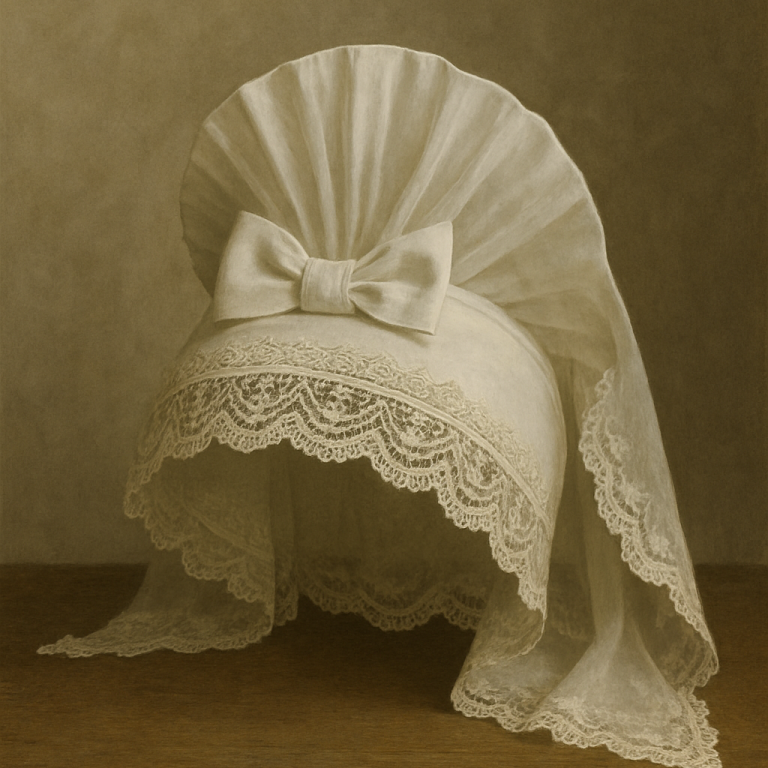
The nurse’s cap was more than decoration. The style of the cap, and sometimes a black ribbon or stripe, told you instantly whether a nurse was qualified or still a student. Some caps grew so elaborate they looked like bridal veils.
💉
1930s–50s: Capes and Belts
Those navy blue capes with red linings became iconic. Belts with polished buckles were also a daily ritual, polished until they shone. They gave the profession a military feel, part warmth, part discipline.
💉
1960s–70s: The Great Colour Debate
White uniforms were still common, but not loved. They stained, showed too much, and were seen as dated. Hospitals began experimenting with coloured dresses and tunics, and even tried trousers and pantsuits, although keeping white trousers clean was no easy task.
💉
1980s–00s: Scrubs Take Over
Borrowed from surgeons, scrubs spread across wards. Blue and green became the standard, with some hospitals assigning colours to different roles. They were practical, easier to wash, and infinitely more comfortable.
💉
The Doll Collection
For anyone curious about how uniforms evolved, the University of Nebraska Medical Centre has a wonderful nursing uniform doll collection. Over 50 dolls are dressed in exact replicas of uniforms from the last century. It is like a miniature catwalk of nursing
history.
💉